Tanya Parfiliyeva influencer profile is a Ukrainian fashion blogger whose public profile is built on a simple, recognisable combination: fashion, travel and family life, presented in a restrained visual language. She is listed in Ukrainian influencer rankings under the handle @tanyparfiliyeva, and described as a fashion blogger known for minimalist style and travel content. That short description matters, because it separates her from louder, trend-chasing accounts. Her appeal is not built on shock, novelty or constant reinvention. It is built on consistency: a clear aesthetic, a steady rhythm of posting, and a personal brand that has lasted long enough for her to describe herself in interview as probably one of the first bloggers in Ukraine. Public sources are thinner than for film stars or singers: a birth date, a hometown biography, a list of businesses and a precise audience figure are not confirmed by the reliable sources checked. What can be said with confidence is narrower, and more interesting: how she is categorised, how she describes her own work, what her style signals, and how one unexpected film appearance fits a career she has not tried to turn into acting. Note: The images in this article are AI-generated illustrations, labelled as such. Source: Wikipedia records The Last Mercenary as a 2021 French action comedy film directed by David Charhon, starring Jean-Claude Van Damme and released on Netflix on 30 July 2021.
How she is listed: fashion blogger, not general celebrity
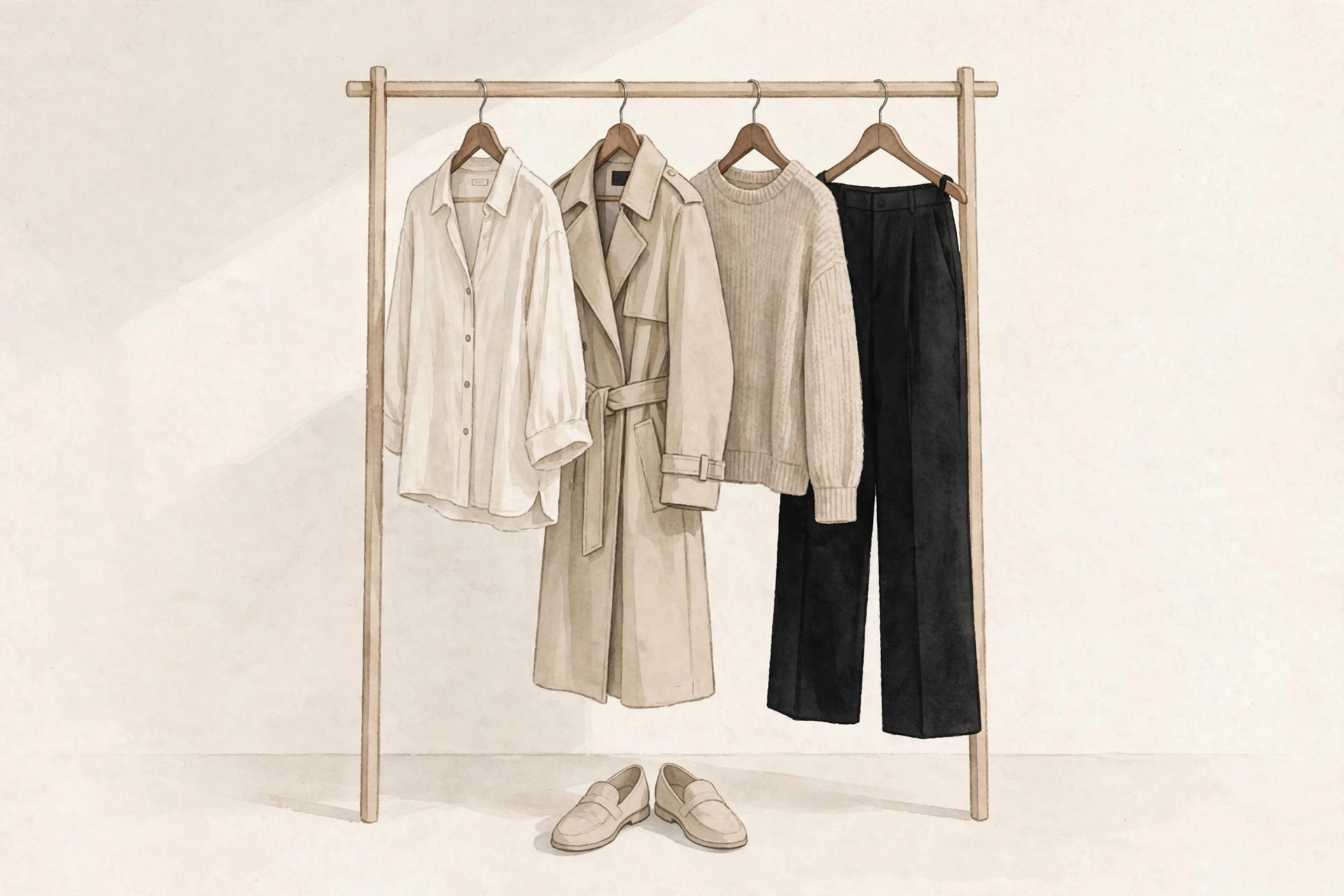
In ranking lists of Ukrainian influencers, Parfiliyeva appears in the lifestyle and fashion section rather than music, TV or film. That tells a new reader what kind of account to expect before a single photograph is opened: clothes, looks, places and everyday luxury, rather than a performance career documented on stage or screen. The same rankings describe her style as minimalist. Minimalism here is not a claim about how much she owns or how little she spends. It is a description of presentation: clean lines, uncluttered images, outfits that read as composed rather than crowded. For a fashion audience that is practical: a minimalist feed is easier to scan, remember and borrow from, because the eye is not forced to choose between ten competing details in one frame. A reader can take away a silhouette, a colour balance, a way of layering, rather than a single branded item. Travel content is the second half of the ranking description, and it changes how the fashion should be read. Travel photographs test style in a way studio photographs do not. Clothes must work while walking, sitting, waiting and moving between places. A look that only works standing still in one room is less useful than a look that survives a day out. Pairing fashion with travel therefore suggests a wardrobe logic based on wearability, not only appearance: pieces that are repeatable, combinable, and carried without losing their shape.
Longevity: one of the first bloggers in Ukraine
In a Daily Scanner interview, she was introduced as one of the most recognisable and popular bloggers in Ukraine, and answered in her own words. She said she is probably one of the first bloggers in Ukraine, that there is no special secret to her success, that she loves what she does, and that she has been doing it for many years. She added that her blog is a full-fledged part of her life, that she does not treat it as a job, and that she simply does her favourite thing. That self-description explains a quality that is hard to fake: endurance. Many accounts grow quickly and fade when the novelty wears off or the work becomes a burden. An account lasting years usually survives because the person behind it still wants to make it when no one is watching the numbers. Her framing — a blog as part of life rather than a job — may sound casual, but it is also a working method. When content grows out of daily life, there is always something to show. When content depends only on campaigns, shoots and events, there are gaps. Longevity also changes the relationship with an audience. Early followers grow up alongside the blogger. They learn her taste, routines and standards, and notice when something feels off. A long-running personal brand is both stronger and more fragile than a new one: it carries trust, and also expectations. A sudden change of tone, a product that does not fit, or a claim that sounds borrowed can stand out immediately to people who have watched for years. It is important not to overstate what the interview proves. Saying she is probably one of the first bloggers is her own assessment, not a dated history of Ukrainian blogging, and it should not be read as a founding date or a ranking position. The verifiable point is simpler: she presents herself as an early, long-term blogger, and her continued presence in current influencer lists is consistent with that self-description.
Reading minimalist style
Minimalist fashion is often misunderstood as the absence of style. In practice it is a discipline. When colour, pattern and decoration are reduced, everything remaining has to work harder: the cut of a coat, the proportion of a trouser, the quality of a fabric, the balance between a fitted piece and a looser one. A minimalist outfit therefore reveals judgement more clearly than a maximalist one, where a striking print can carry an otherwise ordinary shape. For readers wanting to learn from the approach rather than copy a single look, the useful lessons are structural. First, repetition is a feature, not a failure. Wearing similar silhouettes in different colours, or the same coat with different layers underneath, builds a recognisable personal style and reduces decision fatigue. Second, fit matters more than novelty. A well-fitting simple piece photographs better and lasts longer in a wardrobe than a complicated piece that only works once. Third, restraint creates room for personality. When clothes are quiet, the person’s posture, expression and setting become more visible, which is exactly what a personal blog needs. None of this should be read as a claim that Parfiliyeva never wears colour, pattern or statement pieces. Ranking summaries describe a general tendency, not a rule followed in every photograph. The point is the overall impression her feed creates: calm, composed and deliberate, rather than busy or attention-seeking. That impression is part of why she is grouped with lifestyle and fashion creators rather than entertainment personalities whose feeds depend on constant spectacle.
Travel content: style tested outside the wardrobe
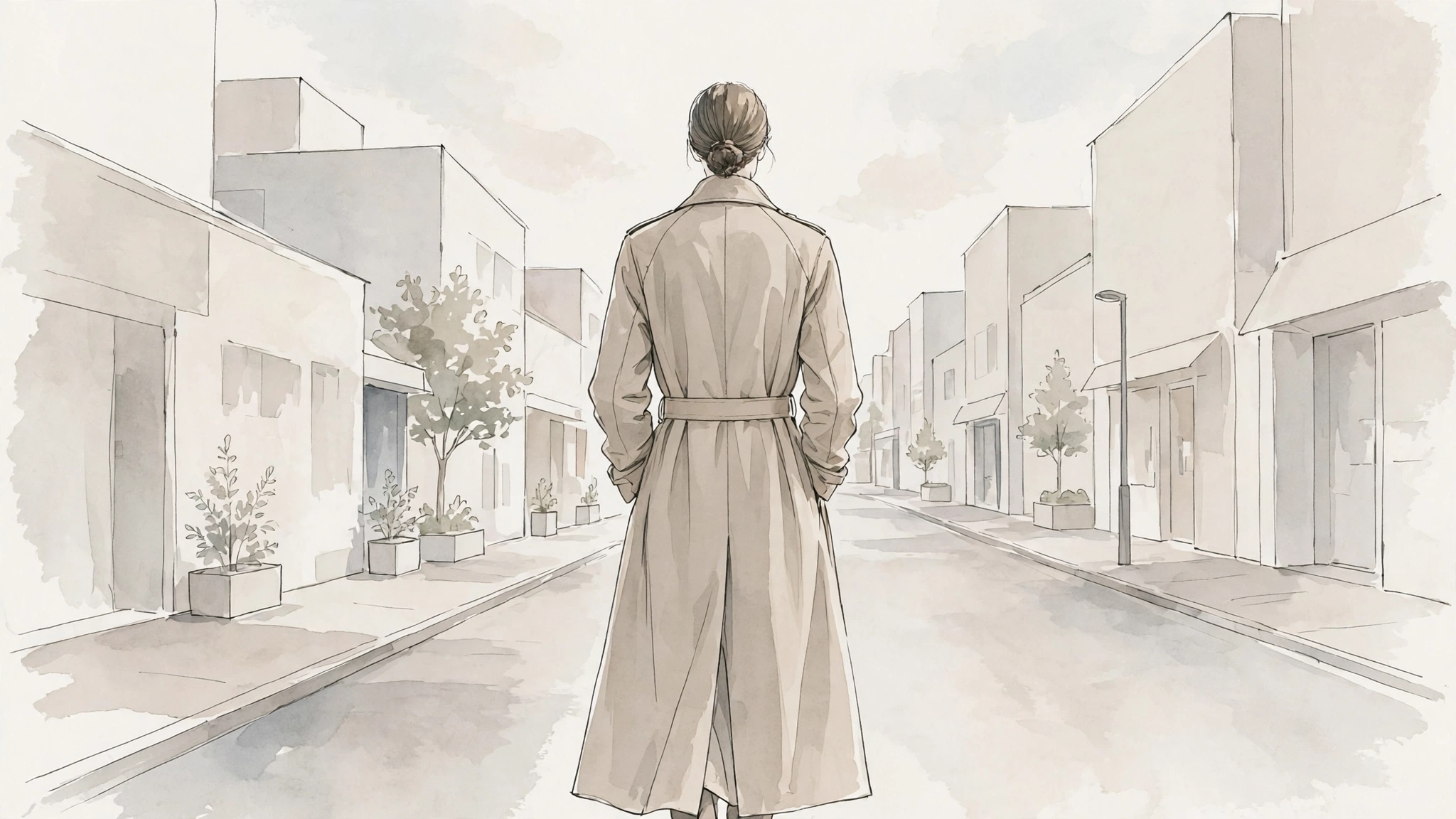
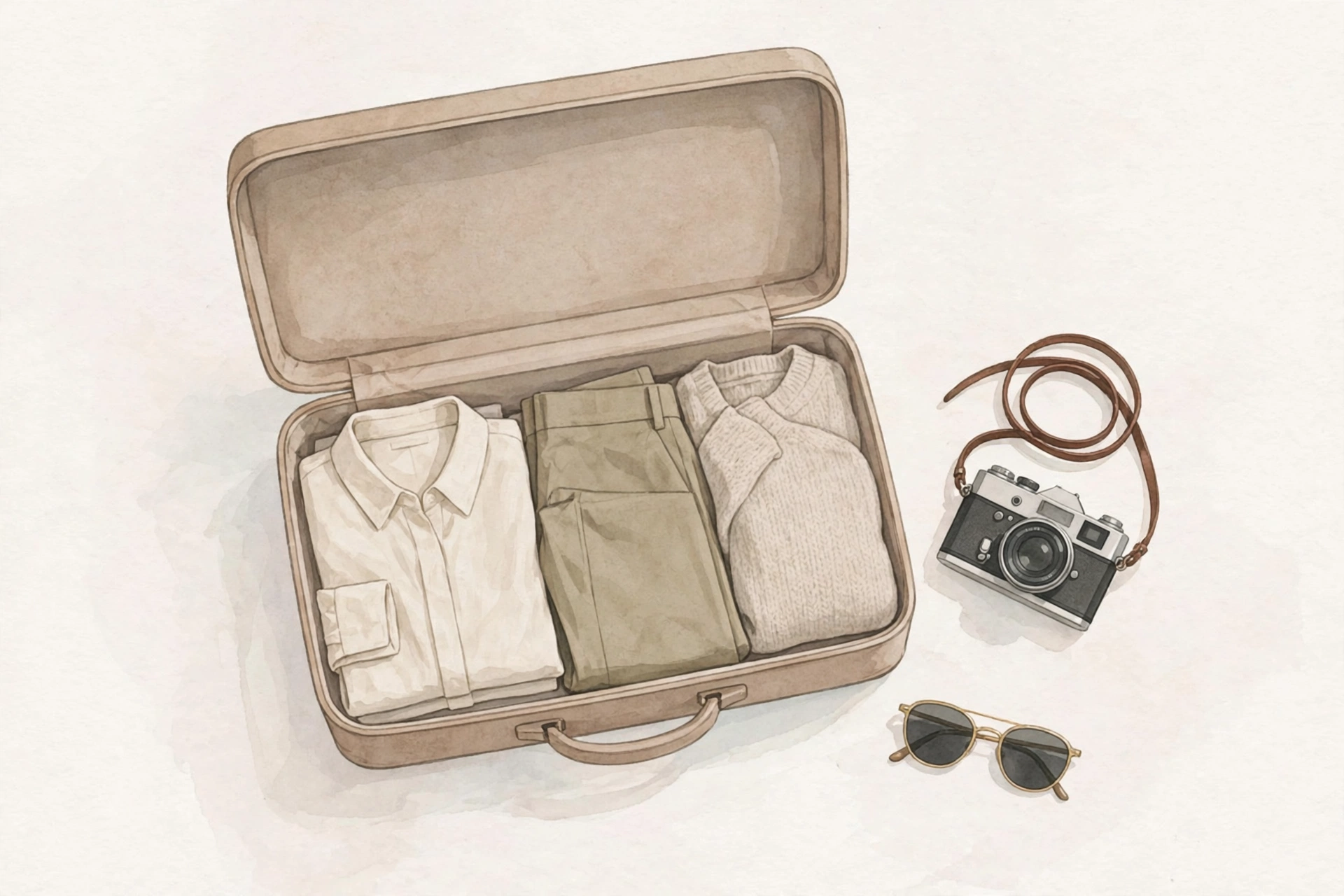
Travel changes fashion content in three specific ways, each of which helps explain why the travel thread matters. First, context. A coat photographed on a city street, in an airport, or beside the sea carries different information from the same coat at home. The reader sees how it moves, how it layers, and how it suits real weather and walking. Second, selection. Travel forces choices: only a limited number of pieces can be packed, so the traveller must decide what is versatile enough to earn a place. Third, memory. Travel images are tied to places and moments, and are easier for followers to remember than isolated outfit photographs. A less obvious benefit is that travel allows a blogger to show taste beyond clothing: architecture, interiors, food, light and landscape. Those choices reinforce the same minimalist sensibility without repeating the same kind of photograph. A clean hotel interior, a quiet street, or a simple meal can communicate the same preference for order and calm as a simple outfit, and together they build a coherent world rather than disconnected looks. No verified itinerary was found in the sources checked. Naming places she may or may not have visited would invent a detail. The travel point stands on the ranking description alone: travel is a recognised part of her content alongside fashion, and it functions as a practical test of the style she presents.
Family and lifestyle dimension
Third-party profile summaries describe Parfiliyeva not only as a fashion creator but also as a family lifestyle creator, and as an entrepreneur. Those labels should be handled with care. They come from influencer-analysis pages rather than a verified biography or company register, so they should be read as descriptions of how her public image is perceived, not as confirmed business facts. No company name, business venture or family detail is named here, because none was verified to a standard justifying naming it. Even with that caution, the family-lifestyle label helps explain the tone of her brand. Fashion content aimed only at a young, single audience often leans towards nightlife, party looks and fast trend cycles. Content that also speaks to family life tends to lean towards different values: practicality, longevity, and comfort that is still polished — clothes that work for daytime responsibilities as well as photographs. That shift does not make the fashion less stylish. It makes it more usable for a wider group, including people who want to look considered without dressing for an event every day. The entrepreneur label points in a similar direction. A blogger treating an account as a long-term project rather than a hobby has to make decisions about consistency, quality and partnerships that a casual poster does not. She must decide which brands fit her image, how often to post sponsored content, and how to protect the trust that makes the account valuable. Those decisions are invisible in a single photograph, but they shape a feed over years. No specific business or revenue figure has been verified. The point is about the role: a durable personal brand is managed, not accidental.
The Netflix episode: a scene, not a career change
The most surprising verified episode in her story has nothing to do with fashion. In the Daily Scanner interview she described being invited to act in a movie scene for Netflix, and said her first thought was that the offer was someone’s bad joke or the work of scammers. Then she realised that Instagram can create opportunities, including the chance to be noticed and invited to act in a film scene. The film was “The Last Mercenary”, a Netflix action comedy starring Jean-Claude Van Damme, which reached Netflix on 30 July 2021. Van Damme plays Richard Brumère, a former French secret service agent turned mercenary who returns to protect his son. Parfiliyeva said she did not meet Van Damme often on set, but had time to get acquainted and find common language. She described him as a very talented person and a true professional, and recalled that he was not feeling very well on the day of shooting, yet transformed completely when the camera turned on, playing a hero who was cheerful, full of strength and energy. She called that ability to inhabit a role despite how he felt real talent. She also described the practical side of filming that is often missing from glamorous accounts. Filming took place in a nightclub and lasted 12 hours. Each scene was filmed several times from different cameras and angles. Much of what was shot did not make the finished film. She had acted in several music videos before, but this was her first time in a full-length film, and she found it more complicated than she had imagined, with many people, lights and equipment around. Despite that, she said everything went quite comfortably. Other details complete the picture: there were a lot of French actors on set, as well as the main characters. She met director David Charhon. The most memorable part was not the shooting itself but the time between takes talking with the entire film crew. She described the experience as more of a spontaneous adventure than a planned career move, and said the film producer subscribed to her on Instagram and mentioned several more interesting projects planned for the future. She also said she never planned to become an actress, that acting is very interesting and she would try again, but that she is already doing what she loves, has a lot of plans, and does not plan to change occupation yet. That last point is key to reading the episode correctly. It is easy, and wrong, to present Parfiliyeva as an actress because she appeared in a film scene. The interview itself prevents that reading. She is a blogger who had a film experience, not a performer who used blogging as a stepping stone to acting. The distinction matters for accuracy, and it also makes the story more interesting: the film scene is memorable precisely because it was unexpected, not because it launched a second career.
Why the Instagram invitation makes sense
Her own explanation of how the film invitation happened is worth pausing on, because it describes a real mechanism in modern casting and discovery. She said she realised Instagram gives a lot of opportunities, including the opportunity to be noticed and invited to act in a movie scene. That is not a claim that Instagram replaces auditions or training. It is a claim that visibility creates chance encounters: a producer, casting researcher or director browsing social media can notice a face, presence or style fitting a scene, and make contact directly. For a fashion blogger, that visibility is unusually broad. Her photographs already show how she looks in motion, in different clothes and settings — more information than a headshot. Audience size and engagement also signal that she is comfortable in front of a camera and accustomed to being watched, which reduces risk for a production team filling a small scene. None of that makes her a trained actor, and she does not claim to be one. It explains why a one-scene invitation is plausible without inventing a casting process that was never described. The episode also illustrates a broader point about Ukrainian creators. A blogger based in Ukraine, working primarily in fashion and lifestyle, can be drawn into an international production through a platform, without moving to another industry or country first. That is a different path from the traditional route through drama school, auditions and agency representation, and one reason influencer profiles now sit alongside actors and singers in celebrity coverage. An audience follows a person, not only a profession.
Spelling, handles and finding the real account
Readers searching for her will encounter spelling variations, a practical problem that is not trivial. Ranking lists use “Tanya Parfiliyeva” and the handle @tanyparfiliyeva. The interview uses “Tanya Parfilieva” and addresses her as Tatiana. Third-party analysis pages use “Tanya Parfileva” and the handle @tanyaparfileva. The variants are the same public identity, shaped by transliteration from Ukrainian and different platforms’ spellings, but they can easily lead a searcher to the wrong account or a fan page. The safest way to identify her is by the handle given in influencer rankings, @tanyparfiliyeva, combined with the content description: fashion, minimalist style, travel. A genuine account should show a long history of that kind of content, not a handful of reposted photographs. Readers should be cautious about accounts promising giveaways, asking for payments, or claiming to sell personal contact, because those are common impersonation tactics for well-known creators. The same caution applies to endorsement claims. Nothing in the sources checked confirms that Parfiliyeva endorses this website, any specific product, or any service discussed here. Readers should treat any page claiming such an endorsement as unverified unless it points to a post on her own account. A fashion blogger’s influence comes from taste and trust, both of which are damaged when third parties invent associations she never made.
What readers can take from this profile
It is worth separating three levels of learning. First, aesthetic: prefer clean silhouettes, limit competing details in one outfit, and let fit do more work than decoration. Second, practical: choose pieces that survive travel, repetition and a full day, not only a photograph. Third, strategic: build a style slowly, repeat what works, and resist the pressure to reinvent your image every season. Those lessons do not require buying the same brands or spending a particular amount. In fact, a minimalist approach often works best with fewer, better-chosen pieces, because each item is worn more often and therefore needs to be more versatile. A reader adopting that logic may spend less over time, not more, while looking more consistent. That is a useful counterweight to the common assumption that influencer fashion is always about consumption. In Parfiliyeva’s case, the described style points in the opposite direction: restraint as a form of taste. There is also a lesson about longevity for anyone wanting to build an audience. Her own account — that she loves it, that it is part of her life, and that she has done it for many years — suggests that sustainability matters more than virality. A creator enjoying the daily work will still be posting when a trend has passed. A creator only chasing trends will need a new trend every week. Readers can sense the difference, even if they cannot name it, which is one reason a calm, consistent feed can outlast louder competitors.
Parfiliyeva in the wider Ukrainian creator landscape
She belongs to a generation of Ukrainian creators who built audiences on Instagram before influencer marketing became a formal industry with agencies, rate cards and campaign calendars. That early period rewarded personal taste and direct communication more than production budgets. A blogger did not need a studio or a team; she needed a camera, a point of view, and the patience to post regularly. Creators surviving from that period tend to share a quality: their accounts feel personal rather than corporate, even when they work with brands. That context also explains why fashion and lifestyle creators are now grouped with actors, singers and TV personalities in Ukrainian celebrity coverage. An audience does not draw a sharp line between a person famous for a role and a person famous for a feed, if both shape taste, conversation and daily habits. The film-scene episode blurs the line further, but it does not erase it. She remains, in rankings and in her own description, a blogger first. For international readers, this profile is a reminder that Ukrainian celebrity culture is not limited to the names most visible in English-language film and music coverage. Fashion bloggers, chefs, fitness trainers and TV presenters form a parallel celebrity system with its own stars, rankings and audiences. Parfiliyeva’s presence in rankings shows that system working on its own terms: a Ukrainian audience, a Ukrainian-language or mixed-language feed, and a style that travels well even when the words do not translate.
Frequently asked questions
Is she an actress? No, not as a profession. She appeared in a scene for the Netflix film “The Last Mercenary” and described it as a spontaneous adventure and her first experience in a full-length film, after earlier music videos. In the same interview she said she does not plan to change occupation, and is already doing what she loves. She should be described as a fashion blogger who had a film experience, not as an actress. What is her Instagram handle? Rankings list @tanyparfiliyeva. Spelling variants exist, including Parfilieva and Parfileva, so readers should check the handle together with the content — fashion, minimalist style, travel — rather than relying on name spelling alone. What kind of fashion is she known for? Rankings describe her as a fashion blogger known for minimalist style and travel content. That means clean, composed looks and clothing that works in real travel settings, rather than a single signature garment or a constantly changing trend identity. No specific wardrobe inventory is claimed, and none was verified. Did she really meet Jean-Claude Van Damme? Per her own interview account, yes, on the set of “The Last Mercenary”. She said she did not meet him often, but had time to get acquainted, and praised his professionalism and his transformation on camera. The film’s verified Netflix release was 30 July 2021, starring Van Damme as Richard Brumère, directed by David Charhon, as described in the interview. Does she endorse this website or any product? No endorsement is claimed or confirmed. Nothing in the sources shows Parfiliyeva endorsing this site, and readers should verify any endorsement claim against a post on her own account before believing it. Why are there no birth date, family details or business names? Because none was verified to a reliable standard in the sources checked. Including them from weak or conflicting third-party pages would risk inventing a biography. The verifiable points are her category, style description, handle, interview account and film-scene episode; the rest is left out rather than guessed. What should a new follower expect? Based on the ranking description and her own account of her work, a follower should expect fashion and travel content in a minimalist, composed style, posted by a long-term blogger who treats her blog as part of her life. That is the consistent thread across the sources, and a more reliable guide than any single viral post.
Her story is quieter than a film-star biography, and for that reason more instructive about how modern celebrity actually works. She did not become known through a single role, song or TV show. She became known by showing up, with a consistent style, for many years, until her taste itself became recognisable. The Netflix scene is a memorable detour, not a destination. It shows that a personal brand built on fashion and travel can open doors in entirely different fields, while also showing, through her own words, that she chose to stay with the work she loves rather than chase a new profession. For readers, the value lies in restraint: minimalist style, travel-tested clothing, a long-term blog treated as part of life rather than a job, and a single well-remembered film adventure — those are the verified threads. Everything else — exact numbers, private biography, business details — remains unverified and therefore absent. Consistency, after all, depends on trust, and trust depends on not claiming more than is true.