Monatik Biography: Ukraine’s Pop Star and Hitmaker
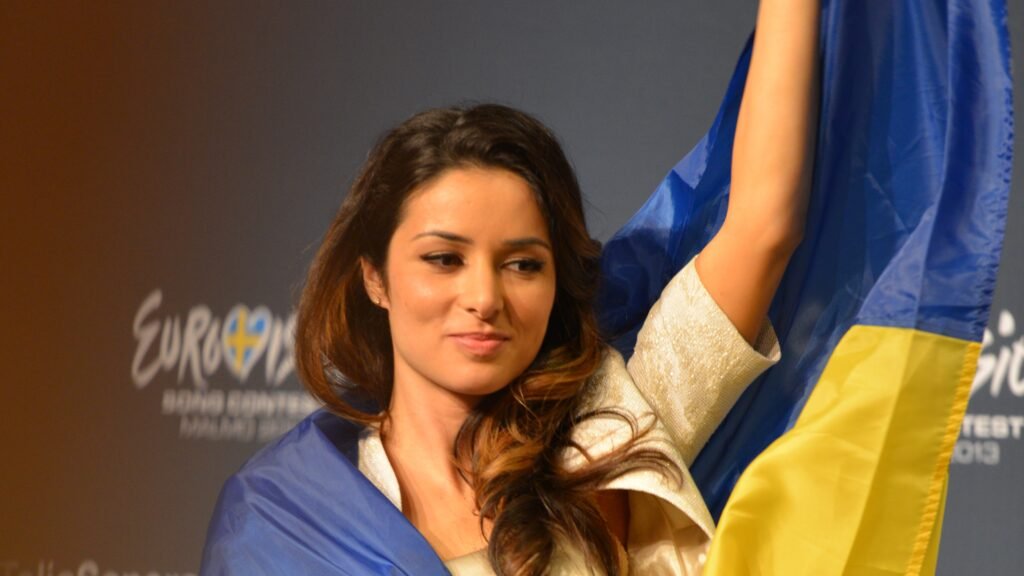
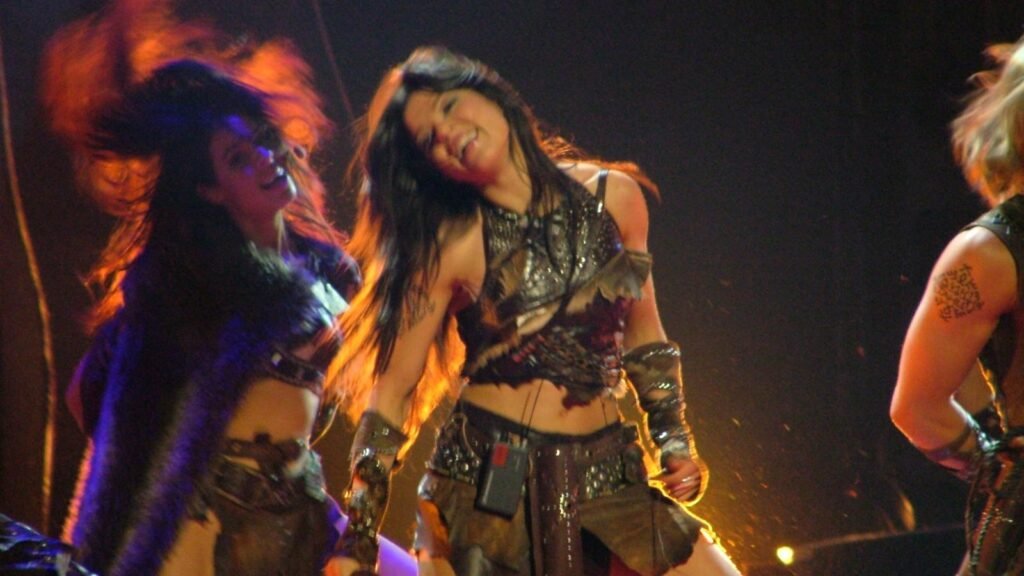
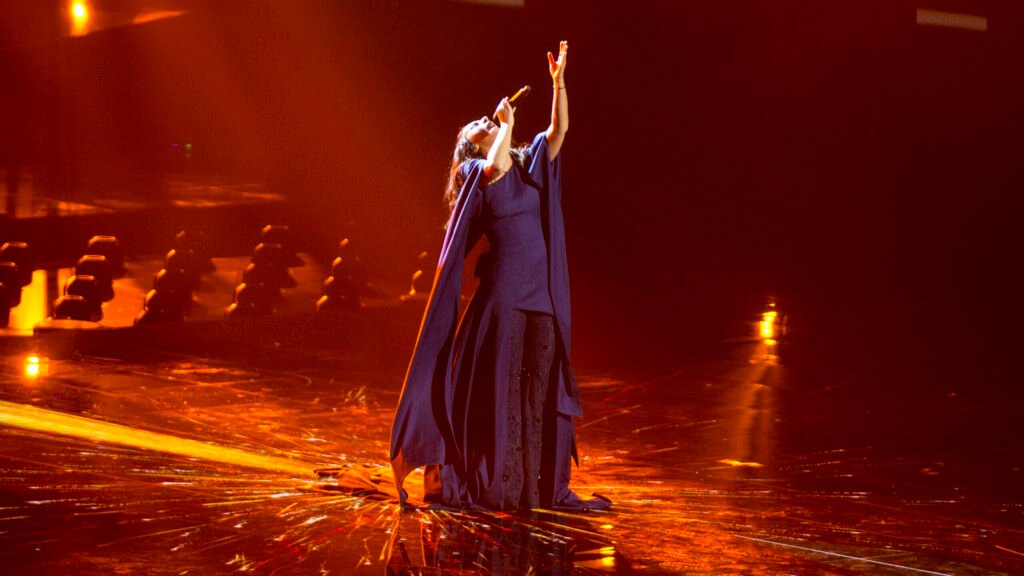
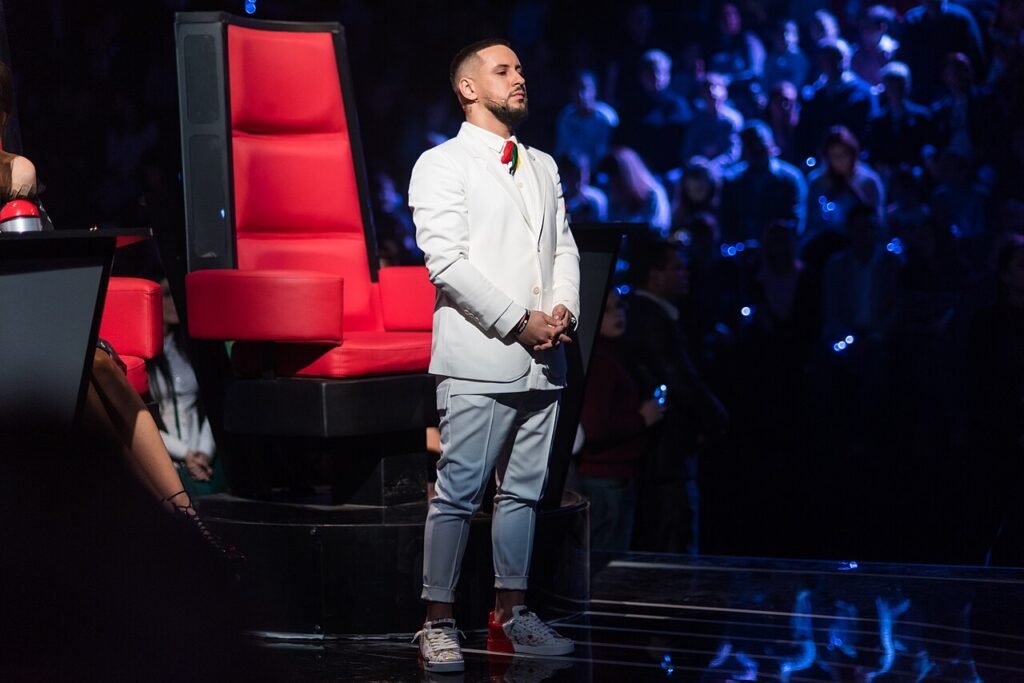
Who Is Monatik? Dmytro Serhiiovych Monatyk, known professionally as Monatik, stylised in all capitals, is a Ukrainian singer, songwriter, dancer and composer who has become one of the defining pop artists of modern Ukraine. Born on 1 April 1986 in Lutsk, in Volyn Oblast, he has been active as a performer since 2009, and his solo career, which began in earnest in 2011, has taken him from breakdance crews and backing-dancer jobs to stadium shows, television coaching roles and the opening performance of the Eurovision Song Contest 2017 in Kyiv. His music blends pop, rhythm and blues, funk and electronic dance music, and it is built around movement: Monatik is a dancer first in his artistic biography, and his songs, videos and stage shows are choreographed as completely as they are sung. That combination has made him unusual in Ukrainian pop, where singers and dancers have often been separate professions. He writes for himself and for others, he produces and composes, and he has built a long career without depending on a single hit, a single television show or a single style. For audiences outside Ukraine, he is most easily recognised as the performer who opened the first semi-final of Eurovision 2017 with Spinning, the English version of his hit Kruzhit. For audiences inside Ukraine, he is something larger: a hitmaker whose songs have soundtracked weddings, workouts, radio playlists and stadium concerts for more than a decade, and a television personality whose coaching work has introduced him to a younger generation. His story is also a story about persistence, because his path to fame was slow, indirect and full of auditions that did not lead where he expected. The images in this article are AI-generated illustrations, labelled as such. Source: Wikipedia records that Monatik, born Dmytro Serhiiovych Monatyk on 1 April 1986 in Lutsk, opened the first semi-final of the Eurovision Song Contest 2017 on 9 May. Early Life and Dance in Lutsk Monatik was born in Lutsk, a city in western Ukraine, on 1 April 1986, and grew up in an ordinary family. His father worked at a factory assembling aircraft engines and also produced foam rubber, while his mother worked as a secretary at the city executive committee, and his parents later started their own business. Nothing in that background pointed directly to a pop career, and his first artistic love was not singing but dance. As a young person in Lutsk he happened to see a breakdance mini-show in the city centre, an encounter that, in his own later accounts, sparked a lasting fascination with movement. From 2000 to 2006 he was a member of the Lutsk breakdance group DBS Crew, which became the best b-boy group in western Ukraine. Breakdance gave him more than steps. It gave him stage confidence, physical discipline, a sense of rhythm as a full-body practice, and a community of young performers who took popular culture seriously. It also taught him how to compete and how to perform for a crowd that judges instantly, lessons that would serve him in television auditions and live concerts alike. Alongside dance, he pursued formal education. In 2003 he entered the Law Faculty of the Interregional Academy of Personnel Management, where he studied in his free time between dancing and learning music, and after finishing university he qualified as a lawyer. He has been open about the fact that he knew from the beginning he would never work in the legal profession, but the degree mattered in a different way: it was a safety net, a sign of seriousness to his family, and a period in which he could keep dancing and making music while deciding what his real career would be. The Move to Kyiv and the First Breaks Monatik’s move from Lutsk to Kyiv, and from dance to music, came through a series of auditions that mostly did not go as planned but still changed his life. In 2008 he became a finalist in the audition for the second season of Fabryka Zirok, known in English as Star Factory, but he did not become part of the project. That disappointment turned out to be a turning point, because the singer Natalia Mohylevska, who had noticed him during the process, asked him to work on her ballet for her concert programme Real O. He agreed, moved to Kyiv, and began working as a dancer in her performance team, appearing in music videos and working as a choreographer for some of them. Kyiv in the late 2000s was the centre of the Ukrainian entertainment industry, and being there, working every day with professional singers, dancers and directors, gave him an education no audition could provide. In the same year, 2008, he put together his first music group, Monatique, which played funk and soul and survived through two live concerts in Lutsk, a modest start that nevertheless marked his first attempt to lead a musical project of his own. In 2009 he passed an audition to join D’arts, a dance company, and during the two years that followed he took part in a wide range of events, including the ballet Girl with the Matches in 2010. These were not glamorous years. They involved rented apartments, repeated auditions, life without fame or steady recognition, and the hard work of building a reputation one job at a time. What they gave him, though, was versatility: he could dance, choreograph, appear in videos and write songs, and that combination would soon become his advantage. Becoming a Songwriter for Others Before Monatik became famous as a singer in his own right, he became valuable as a songwriter for other artists, and that period explains the craft behind his later hits. His first steps as a composer became noticeable when he presented the song 40 Degrees for Svetlana Loboda in 2012, a track that showed he could write a strong, contemporary pop song for a major star’s voice rather than only for himself. Writing for others is a different discipline from […]
Monatik Biography: Ukraine’s Pop Star and Hitmaker Read Post »